Keep what already works.
If your IEMs fit comfortably, connect reliably and play clearly at your normal listening level, there is no automatic next upgrade. Spend on a specific problem, rather than following a fixed tips–DAC–cable shopping list.
Which change is actually useful?
| What you notice | Try first | Consider buying when… |
|---|---|---|
| Weak bass or a loose fit | Try the supplied tip sizes and follow the fitting instructions. | A compatible replacement tip provides a comfortable, secure seal. |
| Tangling, cable rubbing or intermittent connection | Check cable routing and the connectors according to the manual. | A correctly matched replacement cable fixes handling or damage. |
| No headphone socket on the phone | Identify the phone port and headphone plug. | You need a compatible DAC adapter to connect them. |
| Audible hiss or inadequate playback level | Try another known-working source at a comfortable level. | The issue follows the source and a suitable replacement resolves it. |
| You dislike the sound after checking fit | Try available EQ at a comfortable volume. | A different IEM suits your preferences better than more accessories. |
Eartips: fix the seal, then judge the sound
Shure's earphone guide identifies an incomplete seal as a possible cause of weak bass. Start with the tips supplied with your own IEM and choose a comfortable fit. Do not force a larger tip or push an earphone deeper to chase bass.
Check compatibility with the exact nozzle before ordering replacement tips. A size label alone does not establish that a tip fits your model. Follow its manufacturer's fitting and cleaning instructions; Shure's model-specific sleeve guidance is not a promise that those sleeves fit every IEM.
Cables: buy for fit, handling and the right connector
A replacement cable can address tangles, wear or an unsuitable plug. Check the IEM-end connector as well as the source-end plug, and confirm microphone needs separately. Do not force a connector that looks nearly right.
We do not recommend paying extra for silver plating on the promise of wider soundstage. This guide contains no measurements or listening tests that establish that benefit. Likewise, a balanced plug alone is not evidence of better sound.
A balanced socket needs compatible wiring
Do not use an adapter that connects a conventional single-ended headphone plug to a balanced amplifier output. FiiO's K7 support note explains that this can short output connections and damage the device. Use the source and headphone manufacturers' specified cable arrangement. A plug adapter does not turn an ordinary cable into a balanced one.
DAC options: choose a connection you need
For a phone without a headphone jack, the FiiO KA11 is a compact wired option with a 3.5mm headphone output. USB-C and Lightning variants exist: the link below is for the USB-C model. Check your phone port and the selected listing before ordering.
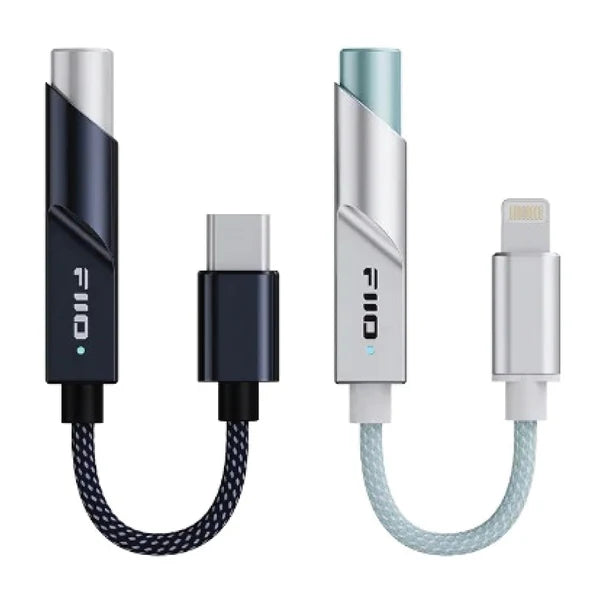
If wireless convenience is the actual problem, the FiiO BTR15 offers Bluetooth reception plus 3.5mm and 4.4mm headphone outputs. That is a different use case from a small wired adapter. Consult its manufacturer page below and verify your required call, microphone and app functions; a playback specification does not settle those questions.
Neither model is an automatic fix for every IEM. Compare your present source first, and use a seller with suitable return terms if compatibility is uncertain. We have not established an audible improvement over your current device.
When a different IEM makes more sense
If the fit and connection work but you still dislike the tuning, stop adding accessories by default. Use our four-IEM starting guide to build a different shortlist. If you already enjoy the result, keeping the current setup is a valid choice.
For Canadian purchases, compare the final currency, shipping, taxes or import charges, return terms and warranty provider. Prices and availability belong to the retailer; this page does not claim a current or lowest price.
Sources and update notes
Checked September 8, 2026. This revision replaces unsupported claims about ordinary phone dongles and balanced-cable soundstage, removes a stale price-check date, and uses an exact KA11 product link.