How We Evaluated & Editorial Methodology
How we evaluated: Products were compared using manufacturer specifications, published measurements, retailer listings, long-term community feedback, and Canadian buying factors such as availability, shipping, warranty, and import risk.
Editorial methodology: This is a research-based buying guide. SoundGain does not claim hands-on testing of every product listed, and readers should confirm final specifications, pricing, stock, and retailer terms before purchasing.
Prices last checked: June 09, 2026 at 9:18 PM MDT. Prices, coupons, availability, and terms may change at any time. Confirm with the retailer before purchasing.
The Wireless Hi-Fi Solution
Mobile phones lack dedicated 3.5mm jacks. Instead of dealing with fragile dongles, a portable Bluetooth receiver connects wirelessly to your phone while driving high-performance wired earphones. We compare FiiO BTR15, Qudelix-5K, and Shanling UP4.
At a Glance: Specifications
| Model | Price Note | Bluetooth Chip | Output Power (Balanced) | Unique Feature |
|---|---|---|---|---|
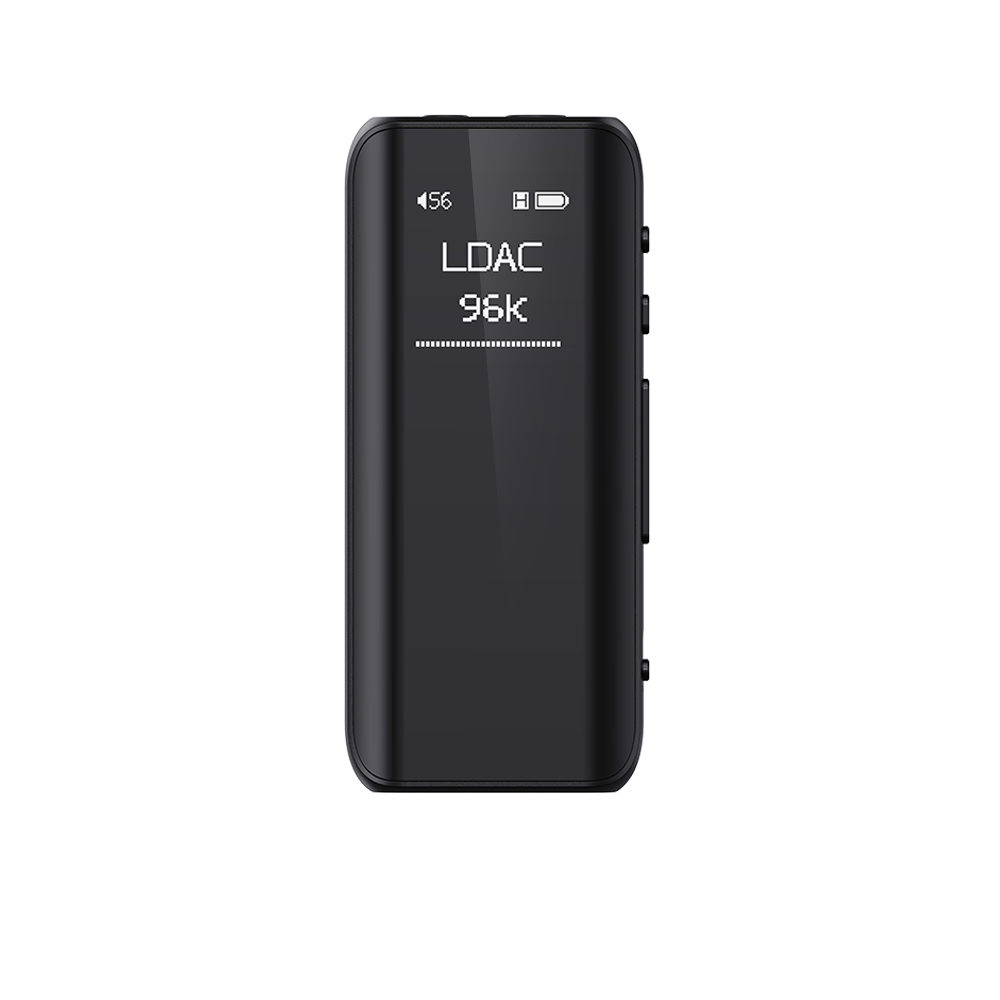
| FiiO BTR15 | Varies by retailer | QCC5125 | 340mW @ 32Ω | Curved Glass OLED Screen |
| Qudelix-5K | Varies by retailer | QCC5124 | 240mW @ 32Ω | Parametric Hardware EQ |
| Shanling UP4 | Varies by retailer | CSR8675 | 160mW @ 32Ω | Tactile Scroll Wheel / Warm Tone |
Deeper Buying Notes
Who should choose a Bluetooth receiver?
A portable Bluetooth DAC/Amp makes the most sense when you still like wired IEMs but do not want a cable hanging from your phone. It is especially useful for commuting, gym bags, office listening, and anyone switching between a phone, tablet, and laptop. The trade-off is one more battery to charge, so buyers who only listen at a desk may still prefer a USB dongle or desktop DAC.
How to think about sound quality
Codec support matters, but it is not the whole story. LDAC and aptX Adaptive can carry more data than basic SBC, yet output power, noise floor, app control, and gain settings affect the real experience. Sensitive IEMs need a quiet background. Harder-to-drive headphones need enough voltage and current. For most Canadian buyers, the best pick is the one that balances app reliability, balanced output, and battery life rather than chasing one specification.
Practical recommendation
Choose FiiO BTR15 if you want a strong feature set, screen feedback, and flexible wired/wireless use. Choose Qudelix-5K if app-based EQ is the main attraction and you are comfortable tuning profiles. Choose Shanling UP4 if you prefer simple hardware controls and a warmer presentation. Before ordering, confirm whether the listing includes the correct cable, whether returns are handled in Canada, and whether warranty support requires overseas shipping.
Quick Verdict
If you want one safe recommendation, the BTR15 is the most straightforward pick for buyers who want a screen, strong balanced output, and easy daily control. The Qudelix-5K is more powerful for people who enjoy EQ and app profiles, but it can feel less simple for casual use. The Shanling UP4 is the warmer, more relaxed option, though it is less compelling if maximum output and app control are priorities.
Avoid this whole category if you mainly listen beside a computer and do not need wireless freedom. A desktop DAC/Amp or a USB dongle will usually be simpler, cheaper, and easier to keep connected.