How We Evaluated & Editorial Methodology
How we evaluated: Products were compared using manufacturer specifications, published measurements, retailer listings, long-term community feedback, and Canadian buying factors such as availability, shipping, warranty, and import risk.
Editorial methodology: This is a research-based buying guide. SoundGain does not claim hands-on testing of every product listed, and readers should confirm final specifications, pricing, stock, and retailer terms before purchasing.
Prices last checked: June 09, 2026 at 9:18 PM MDT. Prices, coupons, availability, and terms may change at any time. Confirm with the retailer before purchasing.
The Planar Transducer Revolution
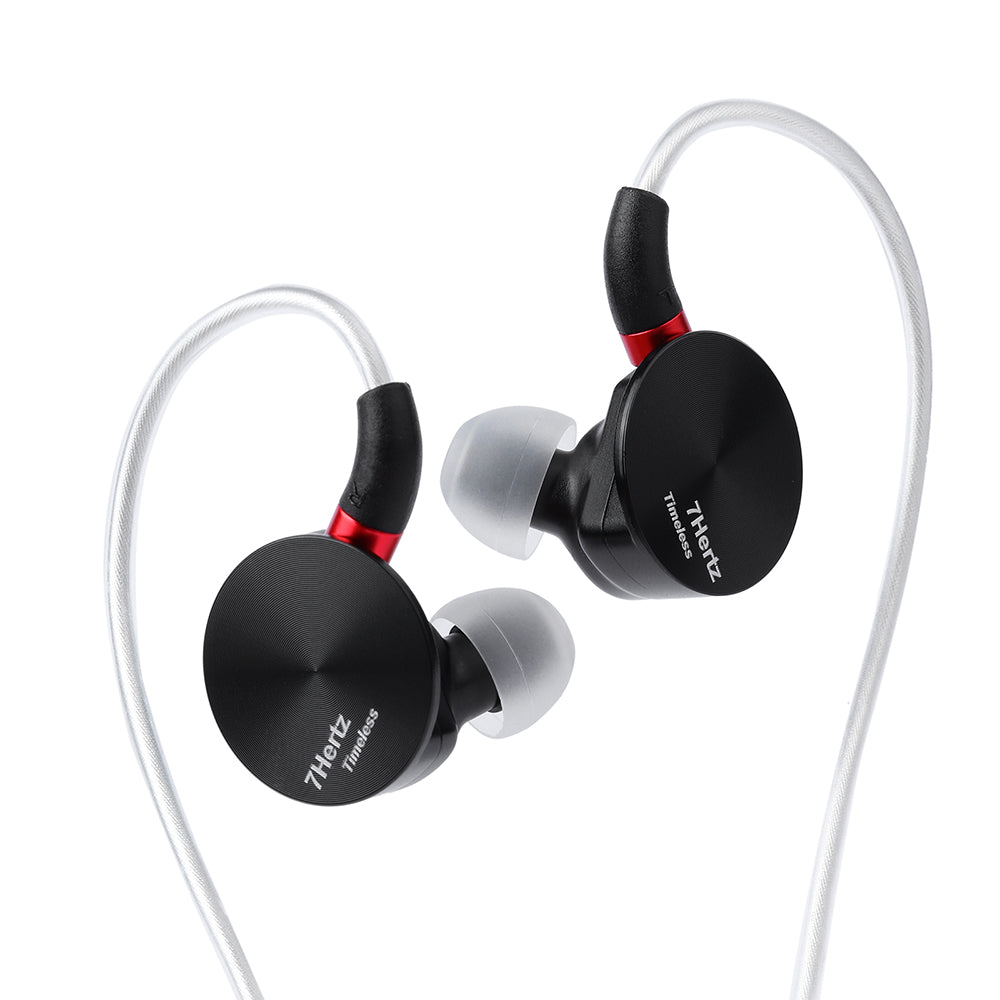
For years, planar magnetic technology was reserved for large, heavy desktop headphones. But micro-planar driver advancements have brought lightning-fast speed and low distortion directly to in-ear monitors. Today, we compare three distinct planar models: the legendary 7Hz Timeless, the budget-friendly Letshuoer S12 Pro, and the gorgeous Tangzu Wu Zetian.
At a Glance: Planar IEM Specifications
| Model | Price Note | Driver size | Impedance | Sensitivity | Freq Response |
|---|---|---|---|---|---|
| 7Hz Timeless | Varies by retailer | 14.2mm Planar | 14.8Ω | 104dB/mW | 5Hz - 40,000Hz |
| Letshuoer S12 Pro | Varies by retailer | 14.8mm Planar | 16Ω | 102dB/mW | 20Hz - 20,000Hz |
| Tangzu Wu Zetian | Varies by retailer | 14.5mm Planar | 16Ω | 100dB/mW | 20Hz - 20,000Hz |
Sound & Technicality Shootout
Each planar monitor optimizes for a different sound signature:
- 7Hz Timeless: The detail pioneer. Features a highly technical, resolving soundstage with quick transients. Extremely neutral, though the treble can feel slightly intense.
- Letshuoer S12 Pro: The energetic powerhouse. Offers deep, punchy sub-bass slam and crisp treble sparkle. Perfect for electronic, pop, and rock tracks.
- Tangzu Wu Zetian: The vocal specialist. Uniquely tuned with a warm, lush mid-range and smooth upper-treble, avoiding sibilance while preserving planar separation.
Novice Support: Driving Planars
Due to the size of planar diaphragms, these monitors require more current than standard dynamic earphones. While they can run from basic phone dongles, we highly recommend pairing them with a balanced 4.4mm cable and a dedicated portable DAC/Amp (like the FiiO BTR15 or Qudelix-5K) to tighten the bass and unlock their full dynamic potential.
Deeper Buying Notes
Planar IEMs reward the right listener
Planar magnetic IEMs can sound fast, clean, and highly separated, but they are not automatically better for every playlist. Some listeners find them less natural in note weight than dynamic-driver IEMs, while others love the speed and texture. They are best for people who notice layering, busy arrangements, and crisp transients.
Driving and comfort
Many planar IEMs benefit from a stronger dongle or portable DAC/Amp, especially if you listen loudly or use EQ. Fit can also be more demanding because some shells are larger. A model that looks like the best value on paper may still be wrong if it causes pressure or needs more power than your phone adapter provides.
Practical recommendation
Choose Timeless-style tuning for technical clarity, S12-style tuning for energetic attack, and Wu Zetian-style tuning for a smoother planar presentation. Confirm cable connector, included tips, and return options before buying because planar IEMs can be more taste-dependent than beginner dynamic-driver sets.
Quick Verdict
Planar IEMs are worth considering if you want speed, separation, and a more technical presentation than many entry dynamic-driver IEMs. They are less ideal if you mainly want thick warmth, maximum bass slam, or the most relaxed vocal tone. This is a taste-driven category.
Avoid buying a planar as a blind upgrade if you have never tried brighter or faster tunings. If possible, start with a retailer that has a reasonable return policy, or choose a model with a reputation for smoother treble.