Which one belongs on your shortlist?
Interested in replaceable tuning nozzles? Start with the SIMGOT EA500 LM. Its three supplied nozzle configurations are a concrete feature to compare; they do not establish that you will prefer its sound.
Already use both 3.5mm and 4.4mm outputs? The Aria 2 package lists both plug options. Confirm the contents of the selected offer. Linsoul’s silver-version listing showed preorder with no ETA on September 18; it is a conditional choice if you need a delivery deadline.
Specifically comparing a hybrid IEM? HEXA combines a dynamic driver with three balanced armatures. More drivers do not automatically mean a better purchase. The linked Amazon.ca listing displayed a frequently-returned-item notice on September 18; check recent feedback and return eligibility before deciding.
Buying your first wired pair? Read our Wan’er, Chu II, Zero:2 and Cadenza comparison first. A lower-priced option that fits your connection and comfort needs may be enough.
The specifications that affect the choice
| Model | Design | Impedance at 1kHz | Sensitivity at 1kHz | Practical distinction |
|---|---|---|---|---|
| SIMGOT EA500 LM | Dynamic driver; lithium-magnesium diaphragm | 21Ω ±15% | 123 or 124dB/Vrms, depending on nozzle | Three nozzle configurations; detachable 0.78mm 2-pin cable |
| MOONDROP Aria 2 | Dynamic driver; TiN-coated composite diaphragm | 33Ω ±15% | 122dB/Vrms | Zinc-alloy housing; 3.5mm and 4.4mm plugs listed in the package |
| TRUTHEAR HEXA | 1 dynamic + 3 balanced-armature drivers | 20.5Ω ±15% | 120dB/Vrms | Recessed 0.78mm 2-pin socket; silicone and foam tips included |
Aria 2 is 33Ω in MOONDROP’s specification, not the 32Ω copied into our old comparison. The EA500 LM sensitivity depends on its fitted nozzle. These are published specifications, not our measurements, and do not predict personal comfort or listening preference.
Check the connection before buying accessories
Start with the output you already own. Match the selected cable plug to your phone adapter, laptop or player. A phone without a headphone socket needs an appropriate audio connection; an IEM’s detachable 2-pin connector is not a USB-C phone plug.
Do not add an amplifier simply because HEXA has a hybrid design or because one model has more drivers. First identify the actual problem you need to solve: a missing headphone socket, insufficient usable volume, unwanted noise or missing microphone support. Read our IEM upgrade checklist before adding another device.
None of the specifications above guarantees microphone compatibility. Confirm the chosen cable and adapter if calls or game chat matter. Use the included tip sizes to assess the seal and pressure points; a return window is especially useful when you cannot try the shell beforehand.
Check the exact model and current offer
The original article’s “$100 CAD” label was a historical budget, not a current price guarantee. It has been removed. Compare the currency, final checkout total, seller, delivery timing and return terms for the exact model. SoundGain does not sell or ship these items.


Moondrop Aria 2
Silver version: preorder / no ETA observed September 18. Confirm the selected colour.
Product specifications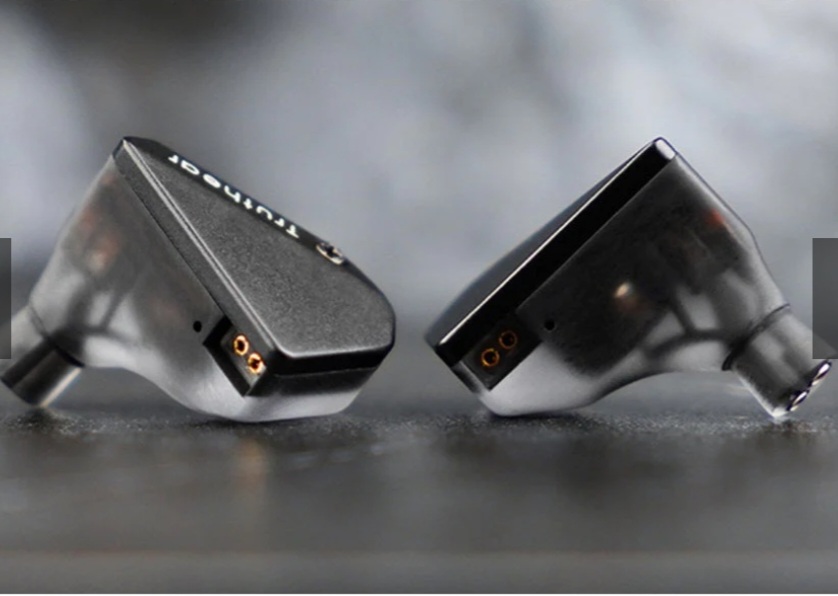
Truthear Hexa Hybrid In-Ear Monitors
Frequently-returned-item notice observed September 18. Check seller and return eligibility.
Product specificationsFor an imported order, include any applicable shipping, taxes and carrier charges in your budget. A lower displayed item price alone is not enough to decide. Confirm who handles a return and where you would send it before ordering.
Sources and what changed
- Linsoul: EA500 LM specifications and nozzles
- MOONDROP: Aria 2 specifications and package
- Linsoul: Aria 2 diaphragm and silver-version preorder note
- TRUTHEAR: HEXA configuration, connectors and tips
September 18 update: corrected Aria 2 specifications; clarified nozzle-dependent sensitivity; removed unverified listening verdicts and the fixed CAD budget; added a separate retailer link for each model. Retailer notices are dated observations and can change. We have not verified a universal sound-quality winner or guaranteed Canadian delivery date.